New Era, New NTNU
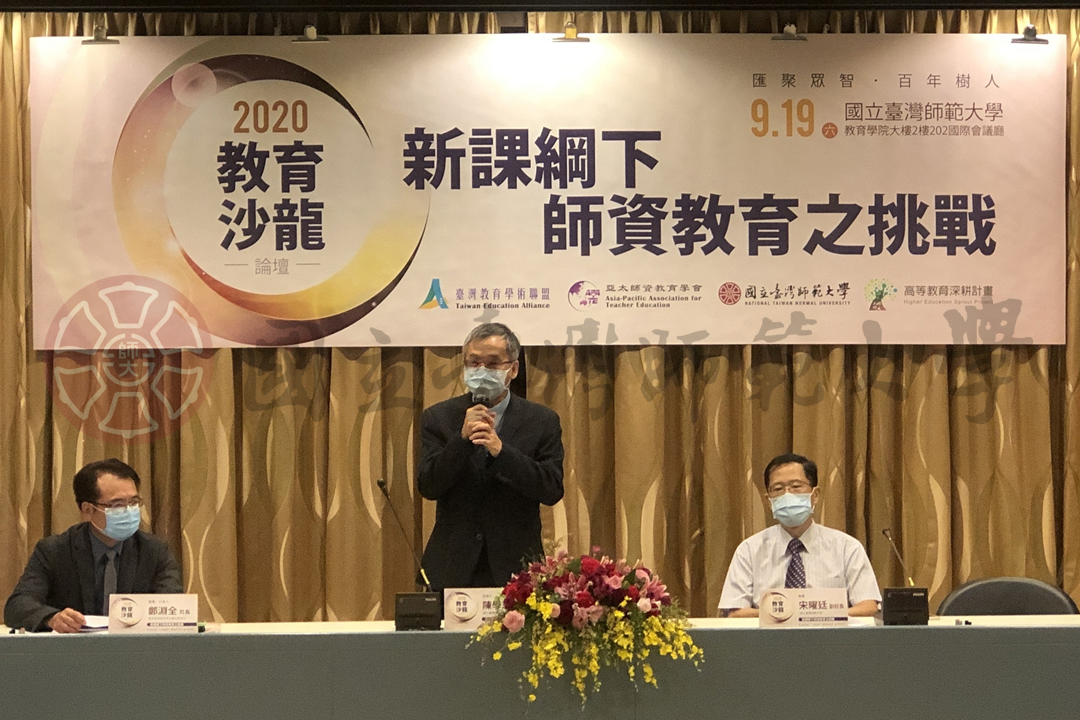
In 2019, Taiwan implemented the Curriculum Guidelines of 12-Year Basic Education, which emphasize a "competency-driven" educational approach. NTNU then joined the colleges of education at several universities across Taiwan in establishing the Taiwan Education Academic Alliance to meet the challenges posed by the new curriculum guidelines.
In recent years, the Ministry of Education has implemented a series of reforms regarding educators' rights and interests. This includes the 2018 revision of the teacher qualification examination system that adopted a "test first, practicum later" model, as well as the implementation of teaching and homeroom teacher internship systems. In 2024, the teacher education stipend was increased to NT$10,000, allowing teacher trainees to devote themselves fully to practical learning in the classroom. In addition, the Ministry of Education actively cultivates local language teachers, encourages teachers to pursue in-service education, and has promoted AI literacy in teaching to advance learner-centered professional development.
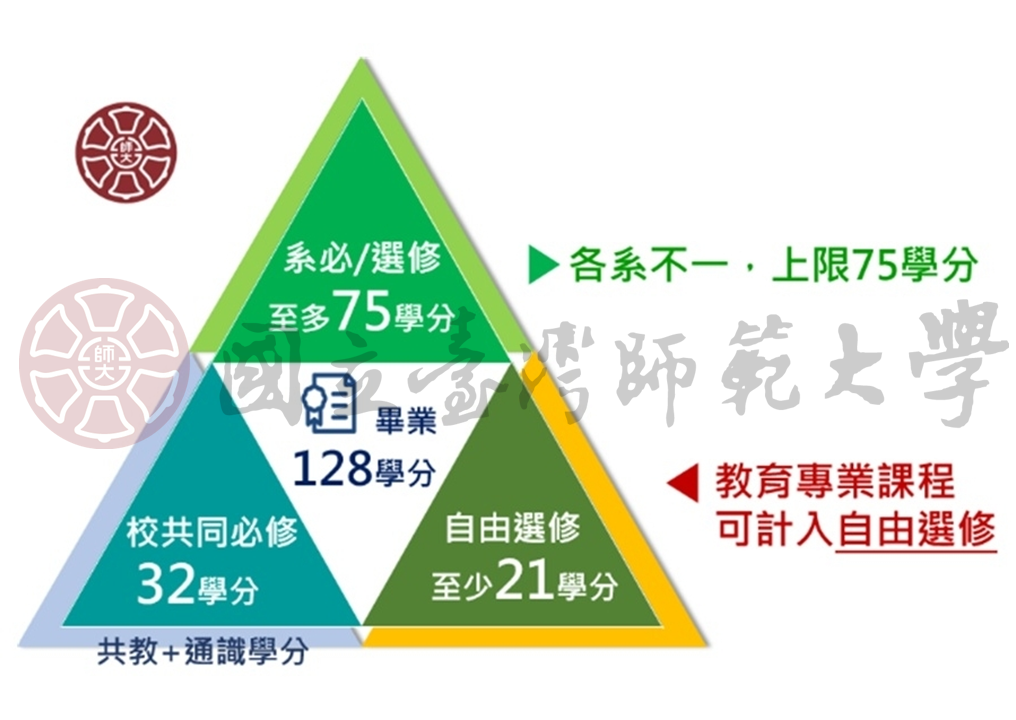
In May 2026, NTNU announced that "professional education courses" would be incorporated into the graduation credit requirements for undergraduate programs, with up to 21 credits counting toward free elective credits. Once launched, the new system is expected to effectively reduce students' course burdens and increase participation and course completion rates. This will give aspiring educators greater flexibility and more viable options in planning their careers, allowing them to complete teacher training courses without having to extend their period of study.
Higher education today faces challenges such as demographic shifts, the rapid advancement of digital technology, and shifts in educational paradigms. Following its motto of "Sincerity, Integrity, Diligence, Simplicity," NTNU upholds the core vision of "Foundation, Advancement, and New NTNU" as it remains devoted to teacher education, promoting bilingual education and the integration of AI into teaching as well as expanding international partnerships to open a new chapter for the "New NTNU".