Transforming into a Comprehensive University
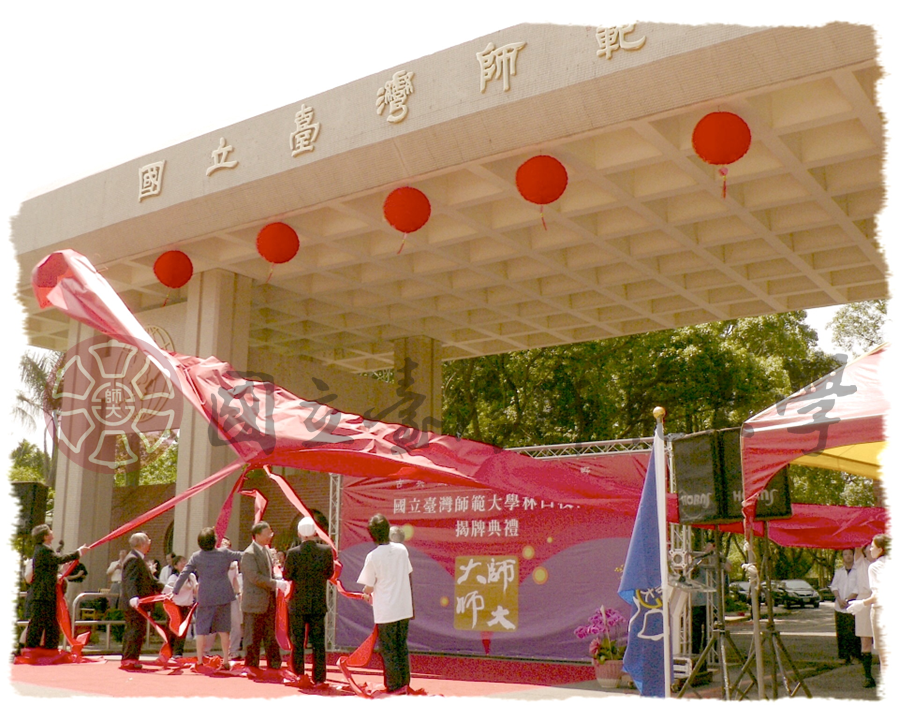
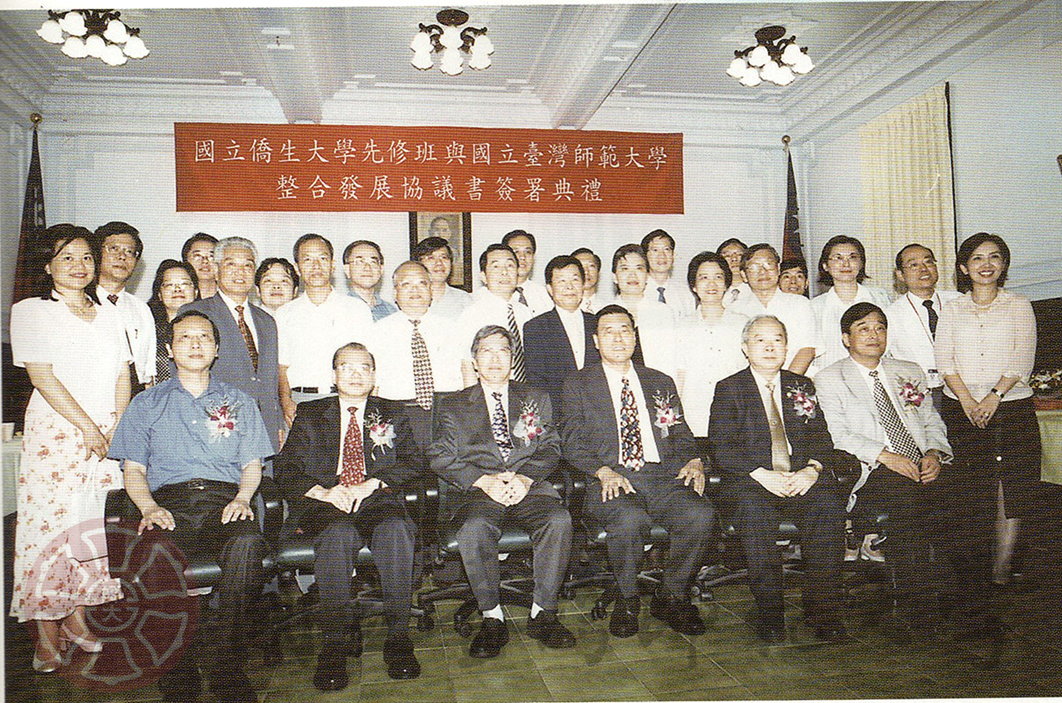
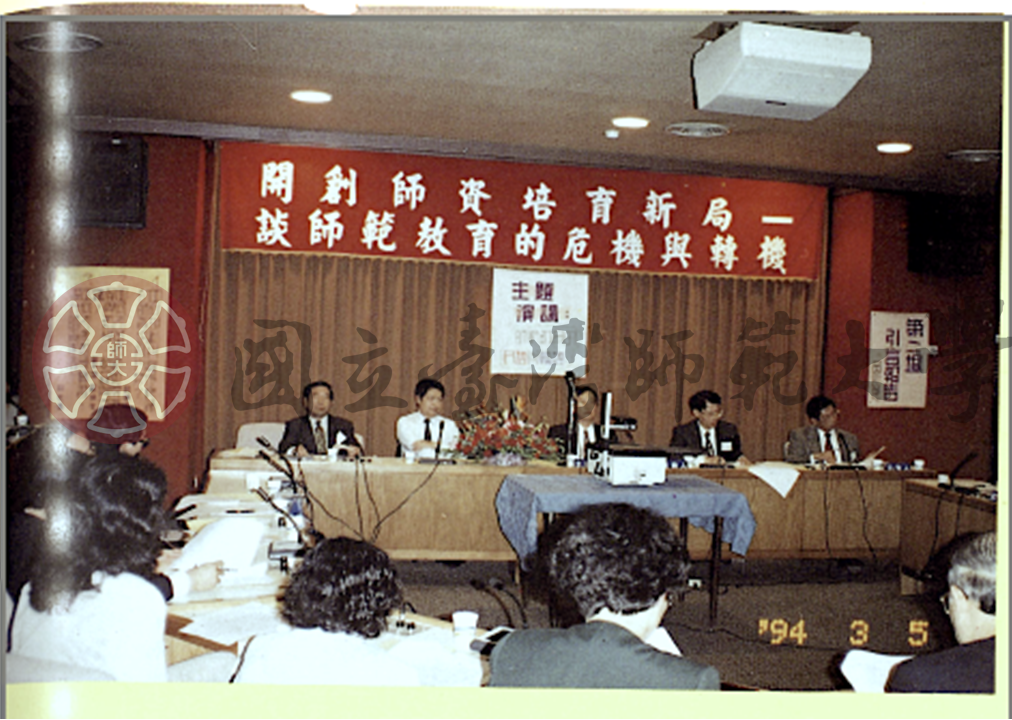
Following the amendment and promulgation of the Teacher Education Act in 1994, Taiwan adopted a new teacher education policy that introduced self-funded teacher education and diversified teacher education pathways. This reform not only aligned with the educational trends in developed countries such as Japan and the U.S., but also met domestic societal needs. It was hoped that open competition would help improve the quality of teachers nationwide. From then on, NTNU began transitioning from its former role as an institution exclusively dedicated to training teachers towards development as a comprehensive university.
In 2011, NTNU defined itself in an evaluation as "a comprehensive university that exemplifies the spirit of teacher education, distinguished by the integrated development of the humanities, arts, and sciences." While continuing to uphold its core role in teacher education, the university also sought to broaden its areas of development.
External Expectations for the Transformation of NTNU
Since the implementation of the Teacher Education Act, NTNU not only faced pressures and challenges from the government to undergo transformation, but society also held high expectations of it. Professor Lin Ching-Chiang, then President of National Chung Cheng University (formerly Director of Student Affairs at NTNU), proposed that NTNU should play a proactive and leading role by establishing a comprehensive coordination system with other teacher education institutions in order to facilitate resource sharing. Lu Xi-Mu, then President of NTNU, stated, "All faculty and staff must endeavor to conquer the task of transforming the teacher education system: find ways to heal from historical wounds, emerge from the shadows, and successfully reinvent ourselves as a university with the distinctive traditions of a teachers university."
NTNU's Response to the Challenges of Diversified Teacher Education
In January 1995, in response to the liberalization of teacher education, then President Lu Xi-Mu stated at NTNU's 58th University Council meeting that "actively carrying out curriculum replanning", "revising the Organizational Charter", and "enhancing the standards of academic research" sat at the heart of NTNU's transformation. Subsequently, NTNU adopted three major strategies in response: (I) establishing dedicated teacher education units and a formal teacher education department, (II) reducing the total enrollment quota for teacher trainees in accordance with Ministry of Education regulations, and (III) promoting the transformation of normal universities and teachers colleges.
(I) In 1996, in response to changing circumstances, NTNU amended its Organizational Charter to merge the Educational Practicum Advisory Committee, the Secondary Education Counseling Committee, and the Graduate Counseling Committee into the "Office of Educational Practicum and Professional Counseling". In 2005, the office was further restructured into the "Office of Teacher Education and Employment Guidance". In August 2019, the School of Teacher Education and the Office of Teacher Education and Employment Guidance were consolidated to form the new "School of Teacher Education".
(II) In accordance with the law, NTNU implemented a dual admissions system for publicly funded and self-funded students. Following Ministry of Education regulations, admission quotas were adjusted to 50% for self-funded students and 40% for publicly funded students, with the remaining places set aside for scholarship and financial aid recipients. Individual departments also developed separate sets of common required courses for self-funded students.
(III) NTNU not only shoulders the important responsibility for preparing future teachers in the fields of education, humanities, science and technology, arts, sports, and social sciences in Taiwan, but also strives to strengthen its development as a comprehensive university and elevate its academic research standards. In 1984, Minister of Education Kuo Wei-Fan (Department of Social Education, Class of 1959, former President of NTNU) advocated broadening the horizons of NTNU students. He argued that one should broaden one's knowledge beyond one's own discipline, as this is an essential quality for modern intellectuals and members of the NTNU community.
Huang Ming-Li, who graduated from the Department of Chinese, Class of 1985, talked about how the transformation of NTNU is closely tied to changes in teacher education: "In the past, the Teacher Education Act regulated the number of students through systematic planning based on academic departments. Secondary schools taught subjects such as Chinese language, English, Mathematics, Physics, Civic Education, Home Economics, etc. Therefore, NTNU established corresponding departments, such as the Department of Chinese, Department of English, Department of Mathematics, Department of Physics, Department of Civic and Moral Education, and Department of Home Economics, with four academic years of required coursework. By the time I returned to teach at NTNU, I saw how the university gradually broke away from the old system of organizing dormitories by department and removed restrictions on course selection, encouraging students to pursue minors and develop a second area of expertise. Gradually, the traditional cohort system organized by department disappeared. Students in the classroom were no longer all from the same department; they could come from different departments or even different schools. As departments grew in number, the names of newly established departments no longer had a direct connection to subjects taught in secondary schools. Some departments that originally corresponded to secondary school subjects have also changed their names due to changes in secondary school curricula."